Woiliow Driving Academy
The Essential Benefits of Professional Driving Lessons
Practising with a parent works right up until the parent is wrong. And the parent is often wrong, because the parent passed the test in 1994 and has been quietly getting worse ever since. That, in one sentence, is the case for professional lessons.
None of this is a knock on the family member in the passenger seat. They mean well and their hours count for something. But well-meaning isn't the same as right, and love isn't the same as feedback. A professional lesson gives you the one thing the kitchen-table method can't: a trained eye that spots the fault as it forms, names it, and fixes it before it sets like concrete.
What a trained eye catches
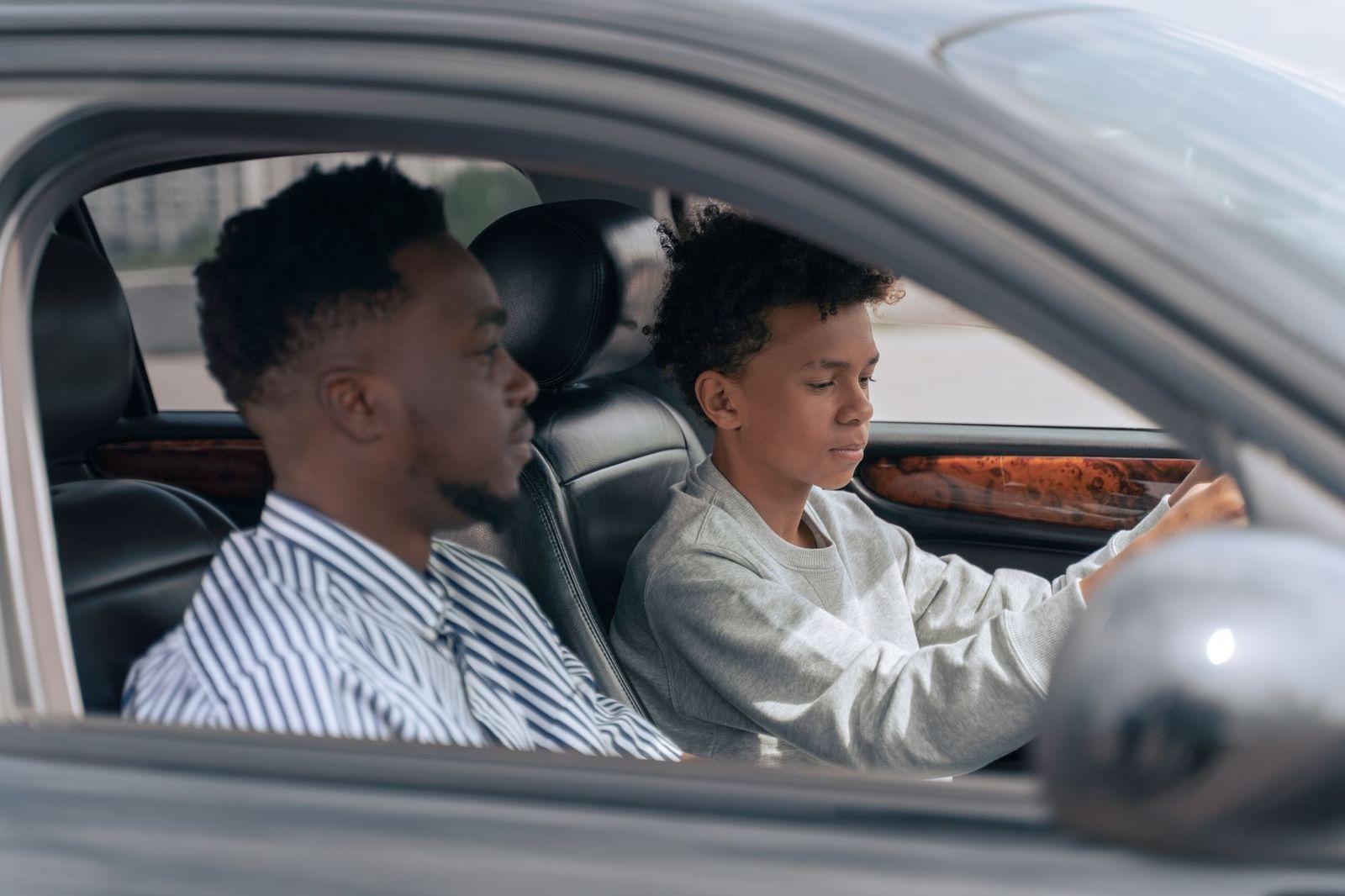
An Approved Driving Instructor has watched thousands of learners make the exact mistake you're about to make, and can call it before you do it. The hands creeping to the wrong position. The mirror checked too late to matter. The roundabout approached in the wrong lane. A parent who drives on instinct often can't even see these, because they do half of them themselves without knowing. You can't fix a fault nobody in the car can see.
You don't rise to the occasion on test day. You sink to the level of your habits. Professional lessons build the right habits from the start, so under pressure your hands do the safe thing on their own. That's worth more than any amount of last-minute advice.
More than passing the test
A good instructor teaches the syllabus, yes, but they also teach judgement, and judgement is what keeps you alive after the tester has gone home. Anticipation. Reading the road two hazards ahead. Handling rain and darkness and the eejit who merges with his eyes shut. The test checks for a slice of this. Real driving demands all of it, and the newly qualified are the ones the road is hardest on, so it's exactly the drivers with the least experience who need the most of it built in early.
The long game
Real confidence, not the cheap kind
There's a confidence that comes from not knowing what can go wrong, and there's a confidence that comes from having handled it. The first kind gets people hurt in their first year on the road, and it's the kind the kitchen-table method tends to breed, because nobody in the car knows enough to frighten them appropriately. The second kind is quieter, and it's the one worth having.
A good instructor builds the real kind on purpose. They put you into the tricky junction, the wet roundabout, the tight reverse, on a lesson, under supervision, so the first time you meet it alone it isn't the first time at all. Confidence you've earned by doing the hard thing beats confidence you've assumed by avoiding it, every day of the week.
There are two kinds of learner. The one who thinks the test is the finish line, and the one who thinks it's the start. Professional lessons, done properly, quietly turn you into the second kind. You pass, yes, but you also carry the habits out of the car and into the next fifty years of driving, which is the only stretch that actually matters. The licence is a morning. The way you drive is a lifetime. Spend the lessons on the lifetime.