Woiliow Driving Academy
Slip Roads: How These Small Ramps Make a Big Difference
A slip road is the short lane that lets you join or leave a faster road without stopping the traffic already on it. Simple idea, badly used, and the merge is where I've watched more near-misses than almost anywhere else. Here's what the ramp is actually for.
First, a rule that matters before we go a step further. A learner permit does not let you drive on a motorway. Not the M50, not any of them, not once, not "just to try it." That's the law and it's there because the motorway is the last place a learner should meet a slip road at speed. What you will meet, and must handle, are the slip roads onto dual carriageways and the faster national roads. So that's what this is about.
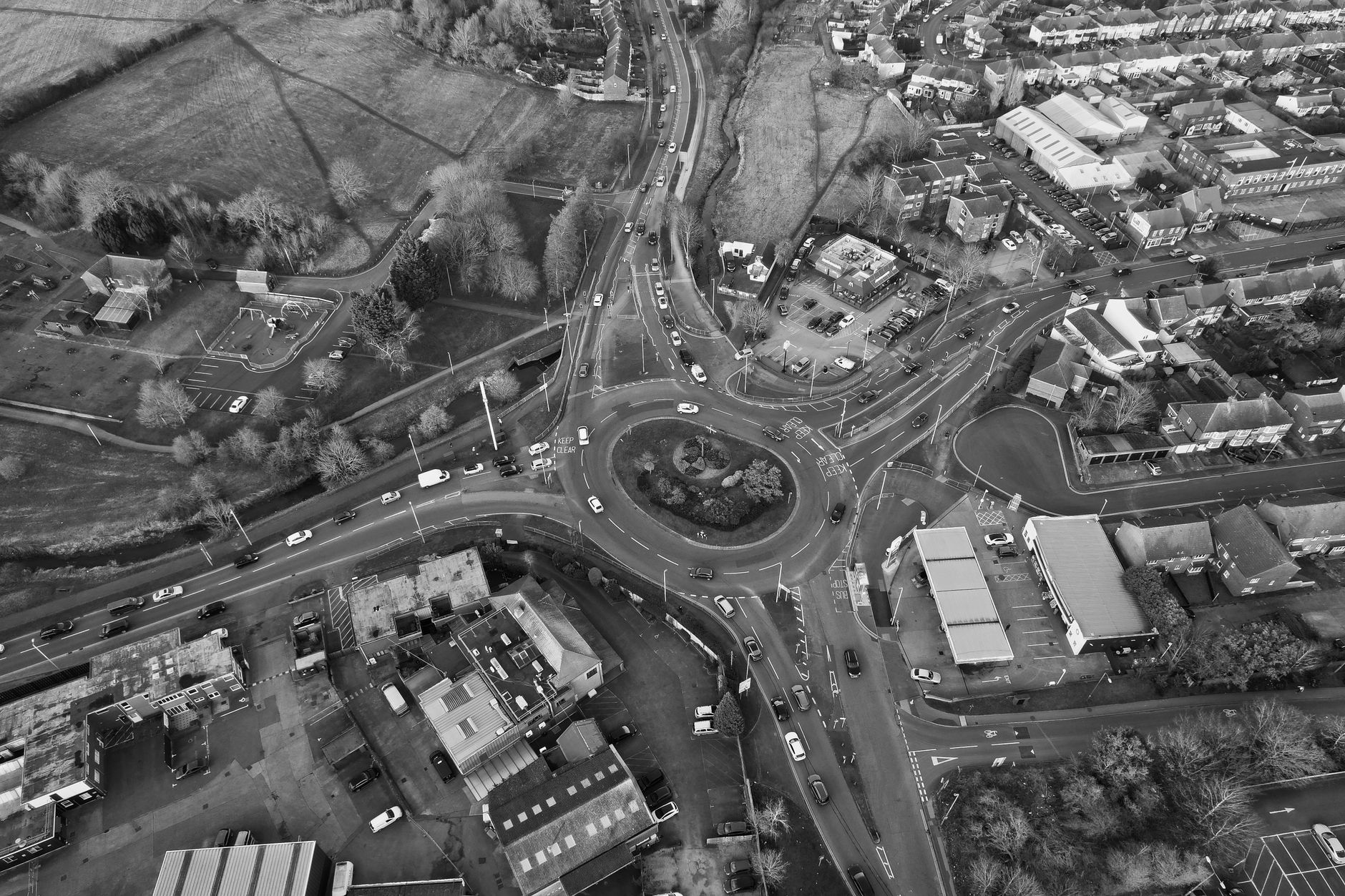
What the slip road is for
The entry slip is a run-up. Its whole purpose is to give you the length of road you need to build up to the speed of the traffic you're joining, so you slot into a gap without forcing anyone to brake for you. Used properly, a merge is invisible: you match the speed, pick the gap, signal, and you're in. The road never even notices.
The prayer merge is the one where a driver reaches the end of the slip road doing forty in a sixty flow, shuts the eyes, and hopes. It forces the traffic to brake, or worse, to not brake in time. Speed up on the slip road. That's what it's for. Merging slow is more dangerous than merging fast, every time.
Getting the merge right
Build your speed on the slip road, not after it. Get your eyes across to the traffic early, over your shoulder as well as the mirror, because the blind spot is exactly where the car you'll hit is hiding. Find the gap while you've still got room, signal your intention and mean it, and move in smoothly. Don't stop on a slip road unless the traffic ahead has genuinely stopped, because a stationary car at the join is a car nobody expected.
Exit slips are the calmer sibling. Signal in good time, move into the deceleration lane, and do your slowing there, on the slip, not on the fast road where the driver behind isn't expecting it. The whole design exists so nobody has to brake hard on the main carriageway. Honour that and you're driving it the way the engineers intended.
Why the small ramp matters
Reading the merge early
The drivers who merge well are the ones who start looking before they reach the slip road, not after. Get your eyes across to the flow of traffic while you've still the whole ramp ahead of you, so you're picking your gap early and adjusting your speed to meet it, rather than arriving at the end with no plan and no room. The blind-spot check over the shoulder is not optional here. The mirror lies about exactly the patch of road the car you'd hit is sitting in.
Commit once you've chosen. Half a merge, drifting across while still deciding, is worse than either lane, because nobody around you can read what you're doing. Pick the gap, mean it, and go.
Slip roads look like a minor detail and they're anything but. They're the seams where slow traffic and fast traffic are meant to be stitched together without a jolt, and the driver who reads them well keeps the whole road moving safely. Get the merge into your hands on the dual carriageways now, and the day you're finally let onto the motorway, it's the same skill, just longer. When did you last speed up on a slip road because you wanted to match the flow, rather than crawling to the end and hoping? That's the question the good drivers already know the answer to.